




Yau Ma Tei Community Living Room
Background and ObjectivesThe Social Welfare Department (“SWD”) launches the “Pilot Programme on Community Living Room” – Yau Ma Tei Community Living Room Project (hereafter referred as “the Project”) subsidised by the Community Care Fund (“CCF”) in January 2026. The Project aims to provide targeted support to households residing in subdivided units (“SDUs”), especially those with children, through provision of additional living space and extended interpersonal network, thereby enhancing their living standard and sense of belonging to the community. SWD has appointed Tung Wah Groups of Hospital as the Approved Service Provider (“ASP”) responsible for operating the Project, which provides service content encompassing the following three components:
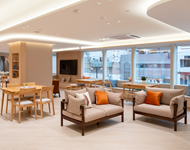
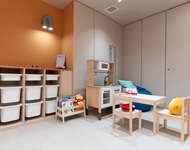
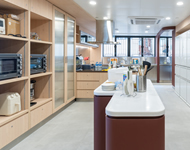
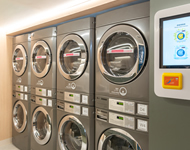
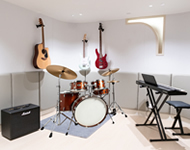
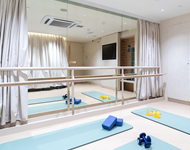
(i) Living space: Yau Ma Tei Community Living Room offers essential facilities such as shared kitchen/pantry, dining room, living room, study/learning room for students, washing and drying machines. It will provide additional facilities, including children’s play room, exercise facilities, multi-function room, shower facilities, etc.;
(ii) Community support: provision of homework guidance services, daily life information (e.g. diet and nutrition, health and sports, home safety, hygiene knowledge, tenancy knowledge, financial management, home repairs, and child first aid, etc.), and talks on community resources (e.g. food assistance, low-cost meals, donations of second-hand items, etc.); provides health monitoring equipment and health consultation; counselling for persons in need; referrals to appropriate community services (e.g. integrated family service centres, integrated children and youth services centres, neighbourhood elderly centres, etc.) will also be made as required; and
(iii) Care and share: The business sector and local organisations will be engaged to provide in-kind donations (e.g. food assistance and inviting local shops to offer discounts, etc.). The DBS Foundation and the operating organisation will plan for additional services (e.g. health, financial management, social integration), and provide corporate volunteers to support various services; collect donations from the neighbourhood and encourage members to share unused items such as repair tools, outdoor/sports equipment, and home appliances; organise and train volunteer team to operate stair climbers to help SDU households carry heavy objects up and down stairs; encourage the business sector to participate and arrange volunteer services such as home appliance repair, haircut, etc.; as well as inviting service users to participate in daily operation, provide mutual help services, etc.
The Project, which commences operation in January 2026, lasts for three years.
|
|